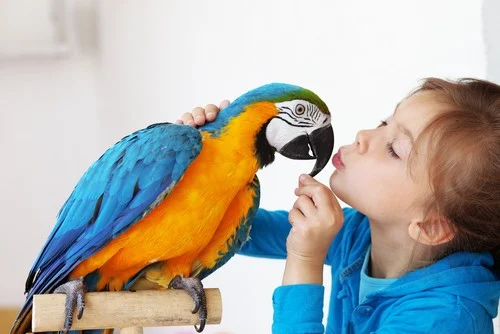
Catching Subtle Health Changes Before They Become Emergencies
At Rock Knoll Animal Hospital, we are happy to welcome pet birds as patients alongside our dogs and cats. Our team is trained and experienced in caring for avian patients in Oklahoma City, so you can feel confident that your parrot, cockatiel, budgie, lovebird, finch or conure is receiving top-quality care from people who understand how different birds are from other pets.
Birds are experts at hiding illness, and many species have health issues specific to their size, diet and genetics. That is why it is so important to consult with us about your bird’s health and to schedule regular checkups. Routine visits let us establish a baseline for your bird’s weight and body chemistry, so we can spot small, potentially harmful changes long before they turn into a crisis.
If you have any questions about how we can care for your pet bird, please contact us today at (405) 634-5700.
Why Pet Birds Need Specialized Veterinary Attention
In the wild, a bird that looks weak becomes a target, so pet birds instinctively mask signs of sickness until they are seriously ill. By the time a bird is fluffed up on the bottom of the cage, the underlying problem has often been developing for days or weeks. Regular exams with a veterinary team that knows avian anatomy and behavior give your bird the best chance at a long, healthy life.
Many companion birds live for decades with the right care. Cockatiels commonly reach their late teens or twenties, and larger parrots can live far longer. Investing in preventive care early helps protect that lifespan and keeps your bird comfortable, active and social.
Our Avian Care Services
Every bird we see receives an unhurried, hands-on evaluation tailored to its species and lifestyle. Our avian services include:
- Annual and new-bird wellness exams with accurate gram-scale weight checks
- Physical evaluation of the feathers, skin, beak, nails, eyes, nares and vent
- Diagnostic blood work and fecal testing through our in-house laboratory
- Digital X-rays to evaluate swallowed objects, egg binding, bone problems and organ changes
- Beak and nail trims, plus guidance on safe wing trims
- Diet reviews and nutritional counseling to move birds off seed-only diets
- Evaluation of feather plucking, behavior changes and other stress-related concerns
- Care for sick or injured birds, including medications from our pharmacy
What Happens at Your Bird’s Wellness Visit
We begin with a detailed history: your bird’s diet, cage setup, sleep schedule, household exposures and any changes you have noticed. Our team then performs a careful exam, handling your bird gently to reduce stress. Weight is one of the most valuable numbers we track, because even a small drop can signal illness in a bird. Depending on age and history, we may recommend blood work or fecal testing to establish your bird’s baseline and screen for hidden disease.
New birds should be examined soon after they come home, ideally before they are introduced to any other birds in the household. This first visit helps rule out contagious conditions and gives you a clear plan for nutrition, housing and enrichment from day one.
Common Health Problems We See in Pet Birds
Our team regularly helps Oklahoma City bird owners with concerns such as:
- Nutritional deficiencies and obesity linked to seed-heavy diets
- Respiratory infections and breathing changes
- Feather plucking, abnormal molts and skin problems
- Overgrown or misshapen beaks and nails
- Egg binding and other reproductive problems in female birds
- Intestinal parasites and digestive upset
- Injuries from falls, cage accidents or other household pets
- Toxin exposure from nonstick cookware fumes, aerosols, heavy metals or unsafe foods
Warning Signs Your Bird Needs to Be Seen
Because birds hide illness so well, any of the following signs deserves a prompt call to our office:
- Sitting fluffed up for long periods or sleeping more than usual
- Tail bobbing, open-mouth breathing or clicking sounds when breathing
- Changes in droppings, including color, volume or consistency
- Reduced appetite, weight loss or a prominent keel bone
- Discharge from the eyes or nostrils
- Sitting on the cage floor or difficulty perching
- Bleeding, swelling or straining to pass an egg
If your bird is having trouble breathing, is bleeding or cannot perch, please call us right away. Learn more about how we handle emergency and urgent care.
Supporting Your Bird’s Health at Home
A balanced diet is the foundation of avian health. For many species, a high-quality pelleted diet supplemented with fresh vegetables and limited fruit is far healthier than seed alone. Clean water daily, a properly sized cage with varied perches, safe chew toys, daily social time and 10 to 12 hours of quiet sleep all help prevent physical and behavioral problems. Avoid nonstick cookware, scented candles, aerosols and smoke near your bird, and never offer avocado, chocolate, caffeine, alcohol or salty foods.
We also care for other small and exotic companions. If you share your home with rabbits, guinea pigs or other small mammals, visit our pocket pets page. Planning to travel with your bird? Ask us about health certificates.
Pet Bird Care FAQs
How often should my bird see a veterinarian?
We recommend a wellness exam at least once a year for healthy adult birds. Older birds or birds with ongoing health concerns may benefit from visits every six months so we can catch changes early.
Should I bring my new bird in right after I bring it home?
Yes. A new-bird exam within the first few days helps us check for contagious illness, review diet and housing, and establish a health baseline. Keep a new bird separated from other birds in your home until it has been examined.
What kinds of birds do you treat?
Our team cares for common companion birds such as parakeets, cockatiels, lovebirds, conures, finches, canaries and many parrot species. Call us at (405) 634-5700 if you would like to confirm we can see your bird.
How should I bring my bird to the appointment?
Use a small, secure travel carrier or cage with a perch. Cover it partially to reduce stress, and bring a photo of the home cage and a list of the foods your bird eats. If possible, bring a fresh sample of droppings.
Is a seed-only diet okay for my bird?
For most pet birds, a seed-only diet is too high in fat and lacks important vitamins and minerals. We can help you transition gradually to a balanced pelleted diet with fresh vegetables that suits your bird’s species.
Why is my bird pulling out its feathers?
Feather plucking can stem from medical causes like skin infections, parasites or nutritional problems, as well as boredom, stress or changes at home. An exam helps us look for medical causes first and build a plan to address behavior and environment.
Can you trim my bird’s beak, nails or wings?
Yes. We provide nail trims and can evaluate overgrown beaks, which often point to an underlying health issue. We are also happy to talk through whether a wing trim is right for your bird’s lifestyle.
Give Your Feathered Friend the Care It Deserves
Whether you have a brand-new budgie or a parrot who has been part of the family for years, Rock Knoll Animal Hospital is here to help your bird thrive. Call (405) 634-5700 or request an appointment online to schedule your bird’s next visit with our team in Oklahoma City, OK .