Helping Your Pet Walk, Run and Play Comfortably Again
At Rock Knoll Animal Hospital in Oklahoma City, we offer a range of solutions and treatments for orthopedic problems in dogs and cats, from fractured bones and torn ligaments to joint disease that develops with age. We know that orthopedic issues can be stressful for pets and the people who love them, so our veterinarians stay in close contact with you at every step, explaining your pet’s diagnosis, your treatment options and what recovery will look like.
If you have any questions, comments, or concerns about our orthopedic capabilities or how we can care for your pet, please contact us today at (405) 634-5700.
We treat problems caused by age, congenital defects and trauma. Whether your cat or dog needs soft tissue or orthopedic treatment, the veterinarians at Rock Knoll Animal Hospital are here to help. Pet owners in Oklahoma City count on us for high-quality, compassionate care. We will help you prepare your pet for surgery, answer your questions before the procedure and care for them closely during the critical recovery stage.
Orthopedic Surgery for Pets
Orthopedic surgery corrects problems with the bones, joints, ligaments and tendons that make up your pet’s musculoskeletal system. Pets involved in an accident, fall or other traumatic event may suffer fractured bones or torn ligaments, while aging pets often develop osteoarthritis that limits their mobility. Orthopedic surgery can treat these conditions and many more. We walk you through the entire process and schedule checkups and follow-up visits to make sure your pet is healing as planned.
Soft Tissue Pet Surgery
We also perform soft tissue surgery. If your pet has a problem involving the skin, muscles or internal organs, it can often be treated with a soft tissue procedure. Examples include reconstructive, shunt and cancer surgeries.
What Happens After Pet Surgery?
Your cat or dog will likely spend at least a few hours under the care of our veterinarians after surgery so we can monitor their recovery from anesthesia. When you take your pet home, we will provide specific instructions to help them heal quickly and safely.
For extensive surgeries, we may keep your pet under observation for a few days. Less complicated procedures usually do not require an overnight stay at the clinic. Here are a few things to expect if your dog or cat comes home soon after surgery:
- Your pet will need plenty of rest during the first 24 hours following surgery.
- They may be groggy and uncoordinated as the anesthesia wears off, so keep them away from stairs and furniture.
- Crating your cat or dog for the first few days after surgery limits their activity and gives the surgical site a chance to heal.
- Add soft blankets to the pen, room or crate where you confine your pet to help them stay warm and comfortable.
Signs Your Pet May Have an Orthopedic Problem
Dogs and cats are very good at hiding pain, so orthopedic problems often go unnoticed until they become serious. Watch for changes in how your pet moves, sits or plays. Common warning signs include:
- Limping or favoring one leg, even if it comes and goes
- Stiffness after resting, especially in the morning
- Reluctance to jump, climb stairs or get into the car
- Swelling, heat or tenderness around a joint or limb
- Licking or chewing at a leg or joint
- Decreased activity, irritability or changes in behavior when touched
If your pet shows any of these signs, schedule an exam so our team can find the cause. Sudden lameness after an injury, or a limb that your pet will not put any weight on, should be seen right away. Learn more about our emergency and urgent care services.
How We Diagnose Orthopedic Conditions
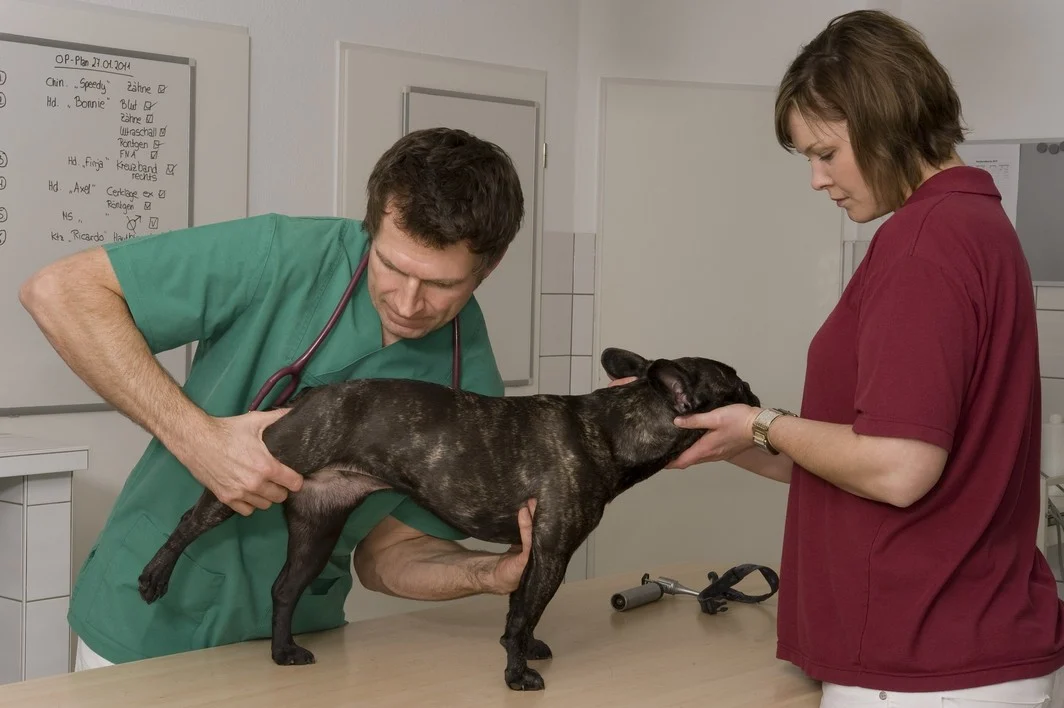
Every orthopedic case begins with a thorough physical and orthopedic exam, where your veterinarian evaluates your pet’s gait, range of motion, joint stability and areas of pain. From there, we use imaging and diagnostics to get a clear picture of what is going on beneath the surface.
Our advanced digital X-rays let us see fractures, joint changes and bone abnormalities in fine detail within minutes. Our in-house laboratory allows us to run pre-anesthetic bloodwork on site, so we can confirm your pet is a safe candidate for anesthesia and surgery without long waits for results.
Conditions Orthopedic Surgery Can Help
Orthopedic surgery can address a wide range of injuries and conditions in dogs and cats, including:
- Fractured or broken bones caused by falls, car accidents or other trauma
- Torn ligaments, such as injuries to the knee
- Joint instability and dislocations
- Congenital or developmental bone and joint defects
- Painful joint changes related to osteoarthritis and aging
Not every orthopedic problem requires surgery. Depending on your pet’s condition, age and overall health, your veterinarian may recommend rest, medication, weight management or other conservative care first. We will always explain every option so you can make the best decision for your pet and your family.
Supporting Your Pet Through Recovery
A successful outcome depends just as much on recovery as on the surgery itself. Before your pet goes home, we will review medications, activity restrictions, incision care and warning signs to watch for. Our pain management plans help keep your pet comfortable while they heal, and our on-site pharmacy makes it easy to pick up prescribed medications the same day.
Keeping your pet at a healthy weight also reduces stress on healing bones and joints. Our team can provide nutritional counseling to support recovery and long-term joint health. Regular wellness exams after surgery help us catch any new joint changes early. You can also learn more about our full range of surgical services.
Pet Orthopedic Surgery FAQs
How do I know if my pet needs orthopedic surgery?
Limping, stiffness, swelling, or reluctance to walk, jump or climb stairs can all signal an orthopedic problem. The only way to know whether surgery is needed is a complete exam with diagnostic imaging. Our veterinarians will explain the findings and recommend the best surgical or non-surgical approach.
What orthopedic conditions do you treat in dogs and cats?
We treat musculoskeletal problems caused by trauma, congenital defects and aging, including fractured bones, torn ligaments, joint instability and osteoarthritis. We also perform soft tissue surgeries involving the skin, muscles and internal organs.
Is anesthesia safe for my pet?
Before surgery, we perform an exam and pre-anesthetic bloodwork in our in-house laboratory to make sure your pet is a good candidate for anesthesia. Throughout the procedure, our team closely monitors your pet’s vital signs to keep them as safe as possible.
Will my pet have to stay overnight after surgery?
It depends on the procedure. Your pet will spend at least a few hours with us after surgery while the anesthesia wears off. More extensive surgeries may require observation for a few days, while less complicated procedures usually do not need an overnight stay.
How long does recovery from orthopedic surgery take?
Recovery time varies with the type of surgery and your pet’s age and health. Many orthopedic procedures require several weeks of restricted activity. We will give you a detailed recovery plan and schedule follow-up visits to make sure healing is on track.
How can I keep my pet comfortable at home after surgery?
Give your pet a quiet, confined space with soft blankets, limit their activity with a crate or small room, and give all medications exactly as prescribed. Prevent licking at the incision and call us if you notice swelling, discharge or a change in appetite or behavior.
Are there alternatives to surgery for orthopedic problems?
In some cases, yes. Mild injuries and early joint disease may respond to rest, pain management, weight control and other conservative care. Your veterinarian will discuss all available options and help you choose the right plan for your pet.
Get Your Pet Back on Their Feet
If your dog or cat is limping, stiff or recovering from an injury, the team at Rock Knoll Animal Hospital is ready to help. Call us at (405) 634-5700 or request an appointment online to schedule an orthopedic evaluation in Oklahoma City, OK . New to our practice? Visit our new clients page to get started.