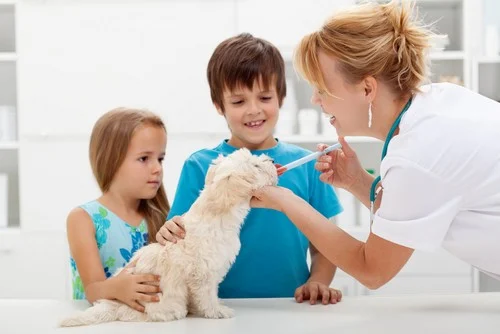
Protection That Starts Early and Lasts a Lifetime
Veterinarians recommend starting vaccinations early in your pet’s life. A young puppy or kitten’s immune system is still developing, which leaves it open to serious and sometimes fatal diseases. At Rock Knoll Animal Hospital in Oklahoma City, we keep your dog or cat on a vaccine schedule that fits their age, health and lifestyle. Staying current protects your pet, your family and the other animals they meet at the park, the groomer or the boarding kennel.
What To Expect From A Pet Vaccination
Most pets start vaccines at about six to eight weeks of age. Puppies and kittens explore with their noses and mouths, so they can pick up an infectious disease easily, and early vaccines give them protection while they grow. Vaccinating your pet matters for several reasons:
- Vaccines are one of the most effective ways to prevent serious viral and bacterial infections.
- Most pets have few or no side effects and are back to normal within a day or two.
- Staying current helps your pet live a longer, healthier life and can prevent costly treatment later.
- Some vaccines, such as rabies, are required by law for pet owners.
An Overview Of Dog Vaccinations
Dogs receive “core” vaccines, which every dog needs, and “non-core” or lifestyle vaccines, which depend on where your dog goes and what it is exposed to. These are the dog vaccines our clients most often receive:
- Rabies, canine parvovirus, canine hepatitis (adenovirus), canine distemper, parainfluenza, Bordetella (kennel cough) and canine influenza for dogs that board, groom or spend time around other dogs
Our veterinarians will talk with you about which vaccines your dog should receive based on current guidelines and your dog’s lifestyle. After the initial puppy series, your dog will get boosters every one to three years, depending on the vaccine.
An Overview Of Cat Vaccinations
Cats also receive core and non-core vaccines. Indoor cats still need core protection, because viruses can come into the home on shoes and clothing, and cats sometimes slip outside. These are the common vaccines for our feline patients:
- Rabies, feline leukemia (FeLV), and the combination vaccine for feline viral rhinotracheitis, calicivirus and panleukopenia (FVRCP)
Are There Risks Involved With Vaccinating My Pet?
Most veterinarians agree that vaccines are safe for pets. Mild tiredness, a smaller appetite or a little soreness at the injection site for a day or so are normal, and the protection a vaccine provides far outweighs these short-lived effects. If your pet has fallen behind on its vaccines, our friendly staff can help get them back on track.
A Vaccine Plan Built Around Your Pet
No two pets live the same life. A cat that never leaves the living room has different risks from a hunting dog that swims in Oklahoma ponds, and a dog that boards often needs different protection from one that stays home. At Rock Knoll Animal Hospital, we do not use a one-size-fits-all approach. During your visit, our veterinarian reviews your pet’s age, health history, travel plans and daily routine, then recommends the vaccines that make sense, with nothing your pet doesn’t need.
Puppy and Kitten Vaccine Series
Young animals receive a series of vaccines spaced about three to four weeks apart until they are around 16 weeks old. Each visit builds on the last, because antibodies passed down from the mother can block a single early vaccine from working fully. Finishing the whole series is the best way to make sure your puppy or kitten is truly protected. These visits are also a good time to talk about house training, nutrition and growth through our puppy and kitten care services.
Adult and Senior Boosters
Immunity fades over time, so adult pets need boosters to stay protected. We usually schedule boosters during your pet’s yearly wellness exam, so your pet gets a full checkup, any needed lab work and their vaccines in one trip. For senior pets or pets with chronic health conditions, we may adjust the schedule to fit their overall health.
Rabies Vaccination and Oklahoma Law
Rabies is almost always fatal and can spread to people, which is why state and local law requires dogs and cats to be vaccinated against it. We give the rabies vaccine and provide the certificate you’ll need for licensing, boarding, grooming and travel. If you are taking your pet out of state or flying, ask about our health certificates.
Part of Complete Preventive Care
Vaccines are one piece of keeping your pet healthy. We pair them with parasite prevention for fleas, ticks and heartworms, microchipping in case your pet ever gets lost, and routine preventative care that catches problems early. If you are new to our practice, our new clients page explains what to bring, including any vaccine records from a previous vet or shelter.
Pet Vaccination FAQs
When should my puppy or kitten get their first vaccines?
Most puppies and kittens start their vaccines at six to eight weeks old. They then get boosters every three to four weeks until they are about 16 weeks old, when the initial series is complete.
Does my indoor cat really need vaccines?
Yes. Indoor cats should still receive core vaccines, including rabies and FVRCP. Viruses can be carried inside on shoes and clothing, and indoor cats sometimes escape outdoors. Rabies vaccination is also required by law.
How often does my dog or cat need boosters?
After the initial series, most boosters are given every one to three years depending on the vaccine. Our veterinarians will set a schedule for your pet and remind you when boosters are due.
What side effects are normal after a vaccine?
Mild tiredness, a lower appetite or a little soreness at the injection site for a day or two are normal. Call us right away if your pet has facial swelling, hives, vomiting, trouble breathing or collapses after a vaccine.
What if my pet is behind on vaccines?
It’s never too late to catch up. Depending on how long it has been, your pet may need a booster or a short restart of the series. Bring any old records and we’ll build a plan to get your pet protected again.
Which vaccines does my dog need to board or visit the groomer?
Most boarding and grooming facilities require rabies, distemper/parvo and Bordetella (kennel cough), and some also ask for canine influenza. Check with the facility, and schedule vaccines at least a week or two before your pet’s stay.
Can my pet get vaccines during a wellness exam?
Yes. Many clients schedule vaccines during their pet’s annual wellness exam so the veterinarian can check overall health first and give all needed vaccines in one visit.
Keep Your Pet Protected Year After Year
Whether you have a new puppy, a new kitten or an adult pet due for boosters, Rock Knoll Animal Hospital makes staying current simple. Call us at (405) 634-5700 or request an appointment online, and we’ll set up a vaccine plan that fits your pet.