Safe Procedures and a Faster Recovery for Your Pet
When your pet needs an operation, you want a team that explains every step, keeps your companion comfortable, and stays with you through recovery. Pet owners across Oklahoma City depend on Rock Knoll Animal Hospital for that care. Our veterinarians perform a wide range of procedures, from routine spays and neuters to orthopedic repairs and internal surgery. We provide careful pre-surgical testing, close anesthesia monitoring, and attentive aftercare from the first visit through the final recheck.
Emergency Vet Services
Accidents happen, and how quickly you respond can change the outcome. Was your pet hit by a car? Are they vomiting, bleeding, or struggling to breathe? Are they showing another symptom that has you worried? Time is often critical, and some problems shouldn’t wait for a routine appointment.
At Rock Knoll Animal Hospital, we offer emergency vet services. When there’s an emergency, we bring your pet in right away. We perform digital x-rays, ultrasounds, and lab work on-site, so we can find out what’s wrong and start treatment quickly. An accurate diagnosis means your dog, cat, or other animal gets the right level of care, whether that’s medication, stabilization, or surgery.
Our office is open Monday through Friday, 8 am to 6 pm, and we make room for urgent cases during those hours. If your pet is in trouble, call us right away. A veterinarian on our team will tell you what to do next.
Explore Different Surgeries for Your Pet
Animals need surgery from time to time, just as people do, and many procedures are very similar. We keep your pet calm and comfortable before, during, and after surgery. We also give you a clear aftercare plan so your pet recovers as quickly and smoothly as possible.
We offer several different surgeries, including:
- Spay and neuter to prevent unwanted litters and reduce certain health risks
- Orthopedic surgery, including treatment for hip dysplasia
- Facial reconstruction after injury or for congenital problems
- Internal surgery for foreign objects, masses, and organ problems
Many different problems can lead to surgery. A bone fracture may need to be set and stabilized. Swallowed objects, tumors, or internal injuries may need abdominal surgery. Some pets need a procedure to correct a birth defect. Our team runs the diagnostics needed to understand what’s happening, then explains how surgery can help and what to expect.
How We Keep Your Pet Safe From Start to Finish
Every surgery at Rock Knoll Animal Hospital follows a careful process designed to lower risk and keep your pet comfortable. Here is what to expect when your dog or cat comes to us for a procedure in Oklahoma City, OK .
Pre-Surgical Exam and Bloodwork
Before any procedure, your veterinarian performs a full physical exam and reviews your pet’s health history. Pre-anesthetic blood tests through our in-house laboratory check organ function and screen for hidden problems that could affect anesthesia. When we need a closer look, advanced digital x-rays and ultrasound help us plan the surgery precisely.
Anesthesia and Monitoring
We tailor anesthesia to your pet’s age, size, breed, and overall health. During surgery, a dedicated team member watches heart rate, breathing, oxygen levels, and body temperature so we can respond to any change right away. Keeping your pet warm and stable throughout the procedure supports a smoother wake-up.
Pain Control That Starts Before Surgery
Good pain control speeds healing and reduces stress. We start pain relief before the first incision and continue it after surgery. If your pet needs ongoing comfort at home, our pain management team creates a plan, and our pharmacy can fill the medications before you leave.
Soft Tissue, Orthopedic, and Dental Procedures
Our surgical services cover a broad range of needs. Routine spay and neuter surgery is one of the most common procedures we perform. We also remove masses and lumps, repair wounds and lacerations, remove swallowed foreign objects, and perform abdominal surgery. Pets with fractures, torn ligaments, or hip dysplasia can benefit from orthopedic surgery. Pets with damaged or diseased teeth may need dental surgery to relieve pain and prevent infection.
Recovery and Aftercare at Home
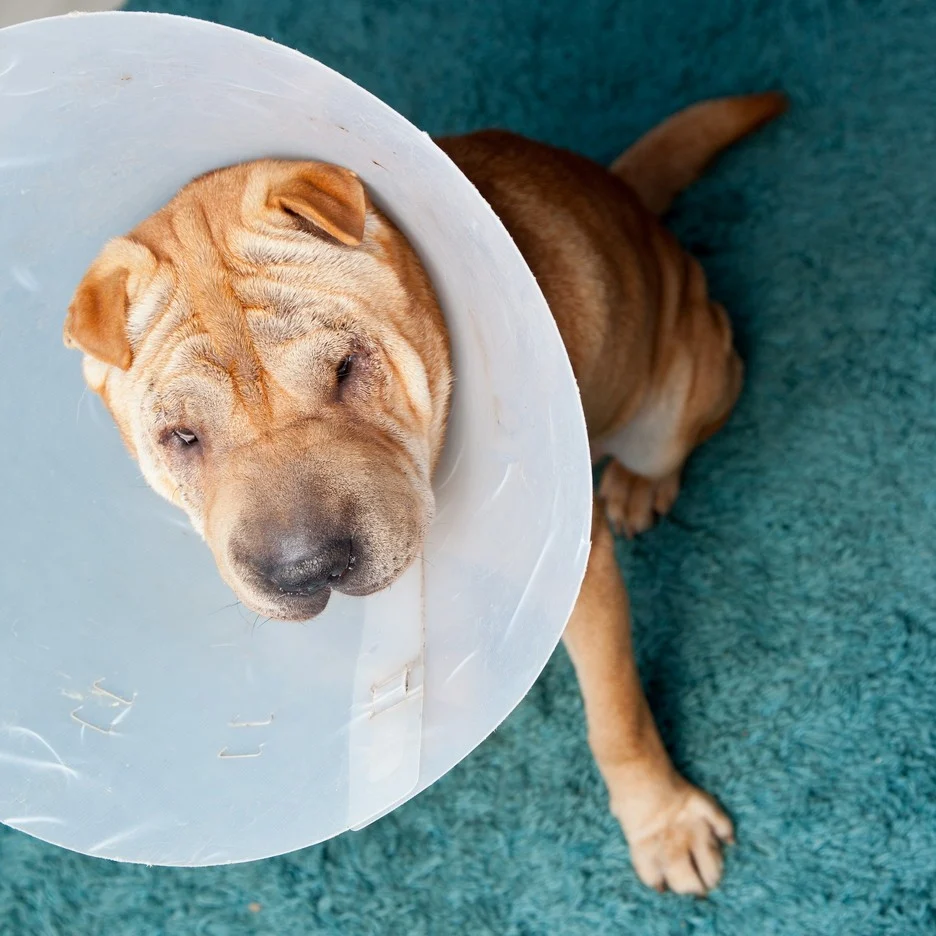
Before your pet goes home, we walk you through incision care, activity limits, feeding, and medications. Most pets need a quiet space, limited jumping and running, and a cone or recovery suit to protect the incision. We schedule follow-up visits to check healing and remove sutures if needed. Our team is always a phone call away if you have questions during recovery.
When Surgery Is Urgent
Some problems can’t wait: a bloated abdomen, a swallowed object, a serious wound, or a broken bone. If your pet is injured or suddenly very ill, call (405) 634-5700 right away. Learn more about our emergency and urgent care services. Regular wellness exams can also catch many problems early, often before they need surgery.
Questions Pet Owners Ask About Surgery
Is anesthesia safe for my pet?
Modern veterinary anesthesia is very safe for most pets. We lower the risk further with a pre-surgical exam, bloodwork, a protocol tailored to your pet, and continuous monitoring of vital signs throughout the procedure.
Does my pet need to fast before surgery?
In most cases, pets should not eat after midnight the night before surgery, though water is usually fine. Our team will give you specific instructions based on your pet’s age, species, and health needs when you schedule.
Will my pet be in pain after surgery?
We start pain control before surgery and continue it afterward, so most pets stay comfortable. We send pets home with any pain medication they need, along with clear instructions on how to give it.
How long does recovery take?
Recovery depends on the procedure. Most pets recover from a spay or neuter in about 10 to 14 days. Orthopedic surgery can take several weeks to a few months. Your veterinarian will give you a timeline and schedule recheck visits.
Will my pet go home the same day?
Many pets go home the same day once they are awake, stable, and comfortable. Pets that have had more involved procedures may need to stay longer for monitoring. We will let you know what to expect ahead of time.
What signs after surgery should I call about?
Call us if you notice swelling, redness, discharge, or bleeding at the incision. Also call if your pet has ongoing vomiting, won’t eat for more than a day, seems very lethargic, or keeps licking or chewing at the stitches.
What types of surgery do you perform?
We perform spays and neuters, soft tissue and internal surgery, mass removal, wound repair, facial reconstruction, orthopedic surgery including treatment for hip dysplasia, and dental surgery. Call us to discuss your pet’s specific needs.
Give Your Pet the Careful Surgical Care They Deserve
Whether your pet needs a routine procedure or more complex surgery, Rock Knoll Animal Hospital is here to guide you through every step. Call (405) 634-5700 or request an appointment online to talk with our veterinary team in Oklahoma City, OK .